
How Much Cash Do You Need Before Your First Fix-and-Flip Draw?
Compare your contractor’s payment schedule with the lender’s draw schedule before closing. This worked example shows how to calculate the cash you may need between deposits and reimbursement.
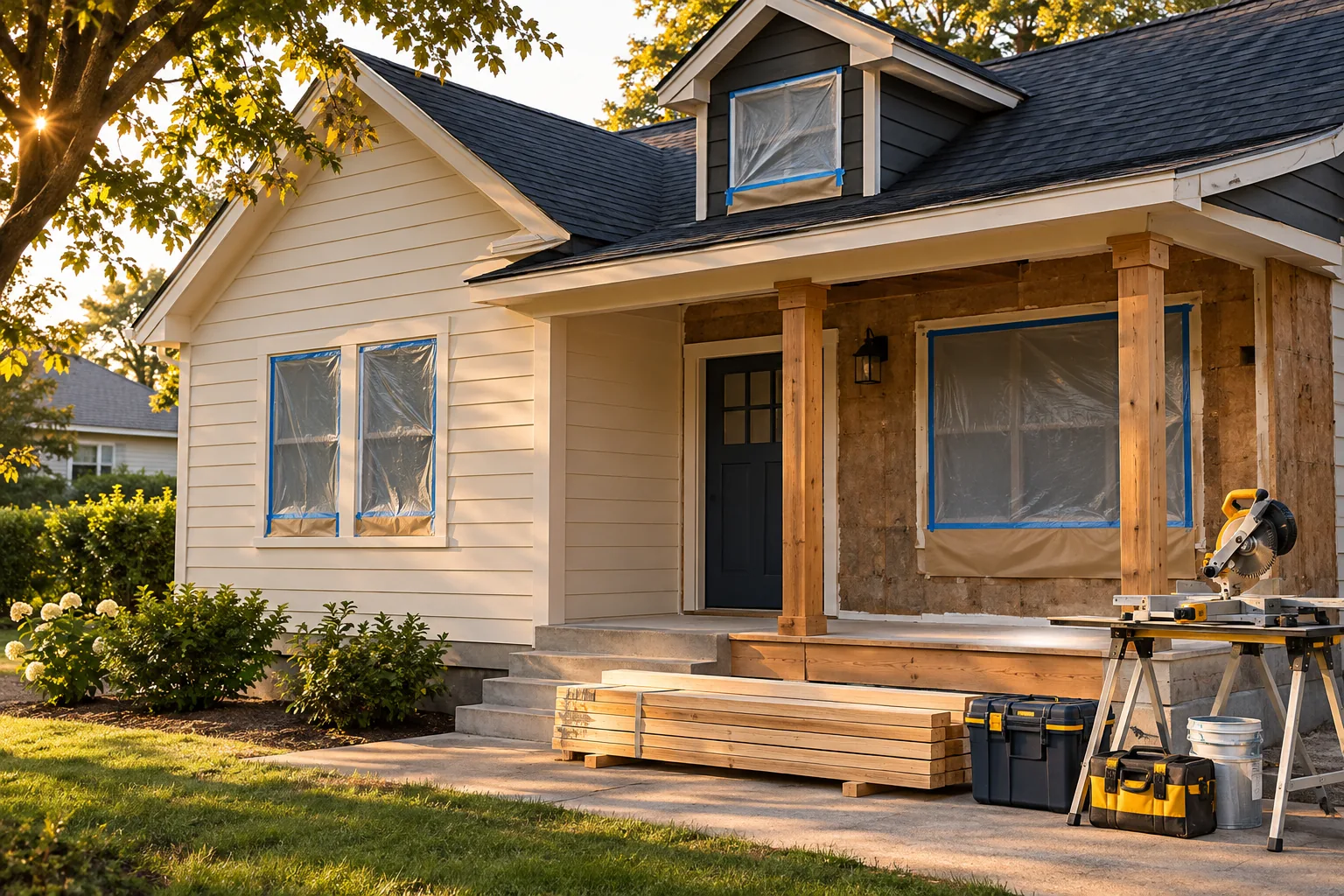
A $60,000 rehab budget and a $20,000 first phase
Assume the lender reimburses the full eligible cost of phase one after completion, inspection and approval. Here is the cash you need before the reimbursement reaches your account.
| Event | Cash movement | Cash tied up |
|---|---|---|
| Contractor deposit | $8,000 paid | $8,000 |
| Materials ordered | $5,000 paid | $13,000 |
| First phase completed | $7,000 paid | $20,000 |
| Draw funds received | $20,000 received | $0 |
If the next phase requires a $6,000 deposit before the first draw arrives, your cash requirement rises to $26,000. The total rehab budget is still $60,000.
Build a cash schedule before you close
- Ask the contractor for dated deposits, material orders and progress payments. Confirm who pays suppliers and whether delivery is tied to a deadline.
- Get the lender’s written draw terms. Confirm eligible expenses, documentation, inspections, processing time and how change orders are handled.
- List bills and expected reimbursements in date order. Count reimbursements on the expected receipt date.
- Test the schedule with a late draw and an overlapping deposit. Keep separate cash for closing, interest, taxes, insurance, utilities and unexpected work.
See the guide to ARV and cash contribution for closing costs and leverage, or use the investor financing guides to prepare the rest of your deal.
Questions to put in writing
Ask whether deposits or stored materials are eligible, whether invoices must be paid before submitting, who orders inspections, and which costs can be deducted from the disbursement. Ask whether two trades can be grouped in one draw and how quickly a rejected request can be corrected.
For investors using or considering a home improvement contractor on a New Jersey property, see the New Jersey Division of Consumer Affairs home improvement contractor resources.
Frequently asked questions
What is a rehab draw on a fix-and-flip loan?
A rehab draw is a release of funds from the portion of the loan set aside for eligible renovation work. The written loan terms specify the milestones, documentation and approval process.
Will the lender pay my contractor deposit upfront?
Ask the lender before signing the contractor agreement. Some draw schedules reimburse only eligible completed work, so you may have to fund deposits or materials yourself.
How do I calculate the cash I need between draws?
Put bills and expected reimbursements in date order. The highest cumulative amount paid before reimbursements clear is the cash tied up by the schedule. Add separate reserves for delays, cost overruns and carrying costs.
What can delay a rehab draw?
Incomplete invoices, missing proof of payment, inspection scheduling and work outside the approved scope can affect timing. Ask your lender how it handles each item.
Review your fix-and-flip financing
Bring the purchase price, scope of work and contractor payment schedule. Viera is a funding broker and can help you compare the questions to ask before choosing written lender terms.
Explore fix-and-flip financing
Submit Your DealEducational information only, not individualized financial, legal or tax advice. All examples are hypothetical. Viera is not the direct lender. Financing is subject to lender review and written terms.